
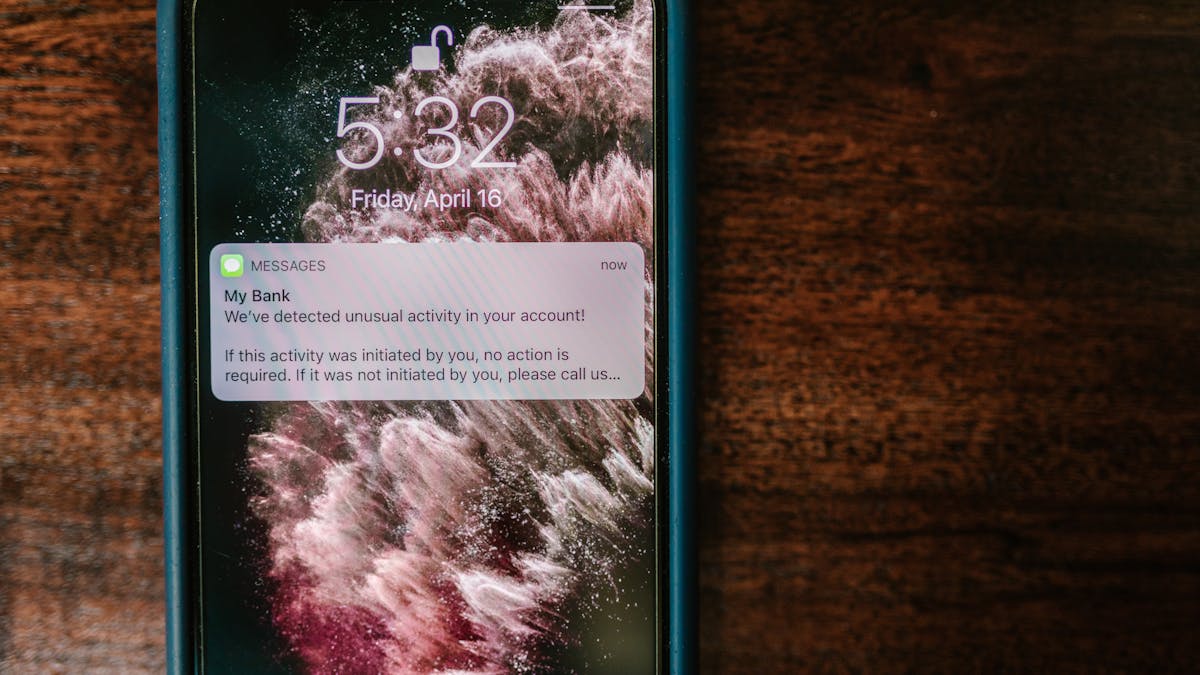
Spotting a Salt Daddy reliably means running through 12 concrete warning signs in the first messages and the first video call, applying three filter methods (deposit, concreteness test, consistency check) in parallel, and cutting contact without hesitation if anything feels off. Anyone who uses the procedure systematically filters out more than 90% of Salt Daddies in under 5 minutes of effort per profile.
At Ohlala we see that most frustrating experiences come from two sources: spotting it too late and acting too hesitantly. This guide is the compact checklist that experienced pay-per-date providers have been using for years, with concrete examples, language patterns and quick test procedures. More on the definition in the lexicon entry Salt Daddy.
The 12 warning signs
Salt Daddies follow recognizable patterns that show up in the first 3 to 5 messages. If you see 3 or more of these 12 signals, you are very likely dealing with a Salt Daddy.
Signal 1, vague amounts. “We’ll find something that works”, “Let’s talk first and then we’ll see.” Real Sugar Daddies communicate concrete numbers, often on their own initiative.
Signal 2, pressure for the first meeting. “Let’s just meet, everything else will fall into place.” Real Sugar Daddies know that arrangements are clarified before the date.
Signal 3, no willingness to verify. Refusing a video call, cross-check or deposit. On KYC platforms like Ohlala the structural verification already filters; additional upfront checks are a test of intent.
Signal 4, inflated self-presentation. Professional status, wealth and lifestyle are aggressively marketed in the first messages. Genuinely established men do not need to do this.
Signal 5, switching to external communication. Pushing for WhatsApp, Telegram or email, away from the platform’s verification layer. On Ohlala everything runs in-app until a concrete date is agreed.
Signal 6, no willingness to pay a deposit. The classic test: “Send 20% as a SEPA deposit, then we meet.” Salt Daddies disappear at this point. More in the lexicon entry Deposit.
Signal 7, stories that shift over time. Job, location, travel plans change between conversations. Real Sugar Daddies have stable life circumstances and communicate consistently.
Signal 8, refusing the video call. Standard excuses: “Bad internet connection”, “I’m in a meeting”, “it complicates everything”. Anyone who cannot manage a 5-minute call in two weeks does not want to.
Signal 9, lifestyle promises instead of cash. “I’ll take care of everything, you don’t need to worry” without a concrete allowance or date fee. The promise is usually empty.
Signal 10, artificial urgency. “Free tonight, let’s meet right away.” Shortens the filter window, no upfront check possible. Real Sugar Daddies give time for trust to build.
Signal 11, past verification cancellations. Profiles that started KYC multiple times without completing it are red flags. At Ohlala we see this on the back end.
Signal 12, language inconsistencies. If a profile claims to live in Frankfurt but writes in a style that does not match the region (for example translation errors or out-of-place idioms), that is a sign of a different identity behind the screen.
The three filter methods, run in parallel
Anyone using all three methods at the same time (deposit, concreteness test, consistency check) filters out more than 90% of Salt Daddies in under 5 minutes. Single methods filter less reliably.
Method 1: Deposit as an economic filter
On every first contact, ask for 20 to 30% of the agreed date fee as a SEPA deposit before the meeting. Serious men pay without discussion. Salt Daddies disappear. Apply the method consistently, with no exceptions for first contacts. More in the lexicon entry Deposit.
Method 2: Concreteness test
Ask concrete questions in chat: “Which restaurant do you have in mind?”, “What’s your concrete allowance proposal?”, “How much time do you have on Saturday?”. Anyone who answers all three with “let’s sort that out on site” or vague phrases is very likely a Salt Daddy.
Method 3: Consistency check over several days
Exchange messages over 3 to 5 days and repeat small detail questions (for example location, profession, travel plans). Anyone who changes their answers does not have a stable real identity. On verified KYC platforms the risk is lower, but not zero.
How do serious men behave by comparison?
Serious Sugar Daddies and pay-per-date clients communicate concretely, verify willingly, pay deposits without discussion and are temporally consistent. The positive pattern is just as recognizable as the negative one.
Concrete positive signals: concrete allowance proposals in the first conversations, willingness to video call, accepted deposit, clear life circumstances, calm communication without urgency. Anyone who sees these signals is dealing with a serious contact who deserves trust.
What to do when all signals point to Salt Daddy
Cut the contact, report the profile on the platform, do not invest any energy in “turning around” a Salt Daddy. Anyone who stays vague in the first messages almost never changes that pattern.
We at Ohlala recommend: at 3 or more warning signs, end it directly. Politely but clearly. Don’t waste energy on explanation discussions. Spend the freed-up time on serious contacts instead. Salt Daddies are statistically not “fixable”, they are time sinks by design (Ohlala internal observation, 2026).
Salt Daddy vs. Splenda Daddy: don’t confuse them
A Salt Daddy fakes wealth and pays nothing. A Splenda Daddy has a moderate budget and pays honestly, just less. Splenda Daddies are serious contacts with a smaller fee, not warning signs.
Three distinguishing features: transparency (Splenda communicates his budget honestly, Salt obscures it), willingness to pay (Splenda pays a deposit, Salt refuses), consistency (Splenda has stable life circumstances, Salt does not). More in the lexicon entry Splenda Daddy.
How verified platforms reduce the risk
KYC verification with ID and live selfie prevents multi-profile abuse and locks in real identity structurally, which massively lowers the Salt Daddy rate. On unverified channels the rate is double-digit, on KYC platforms like Ohlala it is significantly lower (Ohlala internal observation, 2026).
The reason: anyone who has to complete KYC leaves a real identity footprint. Repeated Salt Daddy attempts lead to account suspension with consequences for future sign-ups. On unverified platforms there is no such consequence. More on the verification logic in the lexicon entry KYC verification.
FAQ: Frequently asked questions
How common are Salt Daddies on Ohlala?
Significantly less common than on unverified platforms, because KYC filters structurally. Exact rates are internal; compared to Tinder or classic Sugar sites the rate drops to single-digit values (Ohlala internal observation, 2026).
What’s the fastest method to spot a Salt Daddy?
The deposit request. Salt Daddies almost always disappear within hours of a concrete SEPA deposit request. The method takes 5 minutes and filters massively.
Can a Salt Daddy be “fixable” and develop into something serious?
Statistically rare. Anyone who stays vague in the first messages almost never changes that pattern. Salt Daddy is usually a deliberate strategy, not a transitional state.
What do I say to a Salt Daddy when ending it?
Short and clear: “I think we’re looking for different things. All the best.” No explanation discussion, no accusation. Save energy for other contacts.
How do I filter Salt Daddies with many parallel inquiries?
With a standardized first reply that addresses deposit and concrete conditions. Anyone who does not respond concretely within 48 hours is statistically not a serious contact.
Are Salt Daddies illegal?
No, they are unethical but not illegal. Anyone who pays nothing and promises nothing they cannot deliver is not committing a crime. Protection only works through upfront filters and the deposit.
What to do after multiple Salt Daddy experiences in a row?
Review your profile and date listings. Profiles that are too vague or prices that are too low attract non-serious contacts. Higher prices automatically filter for better men too.
How do I tell a cautious serious man from a Salt Daddy?
With a cautious serious man, caution is symmetrical (he checks you too, wants to see your verification). With a Salt Daddy, caution is asymmetrical (he refuses his verification, wants your time for free).
—
Anyone who masters spotting a Salt Daddy systematically saves weeks of frustration and focuses on serious contacts. The 12-point checklist plus three filter methods make detection fast and reliable. On ohlala.com the structural KYC verification kicks in on top. More on the platform logic in the article How Ohlala works.